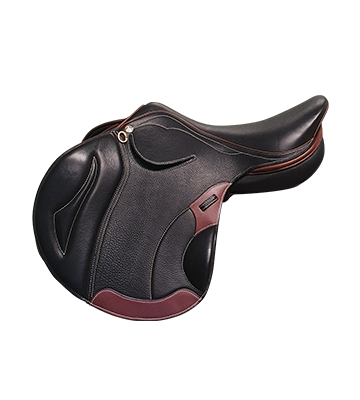
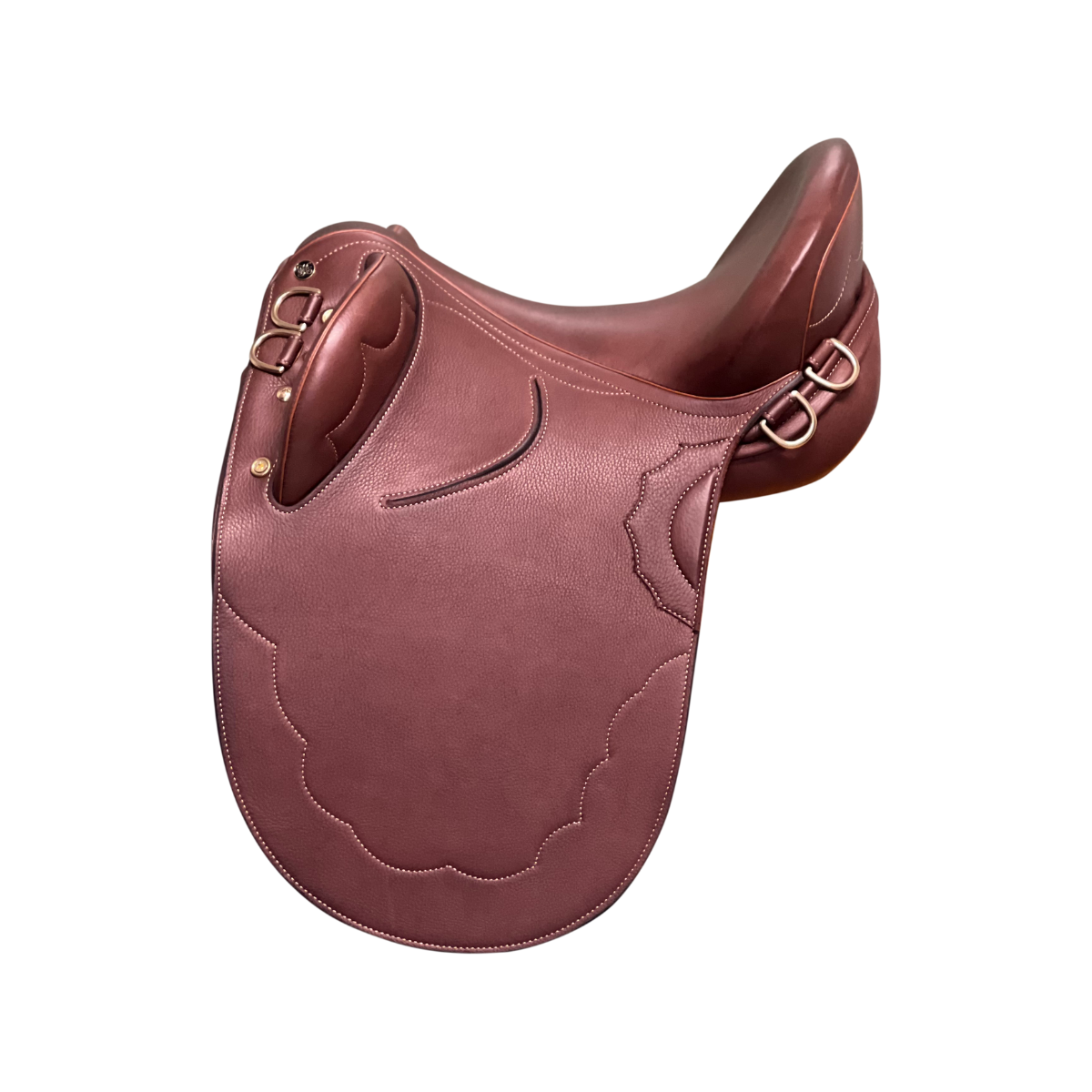
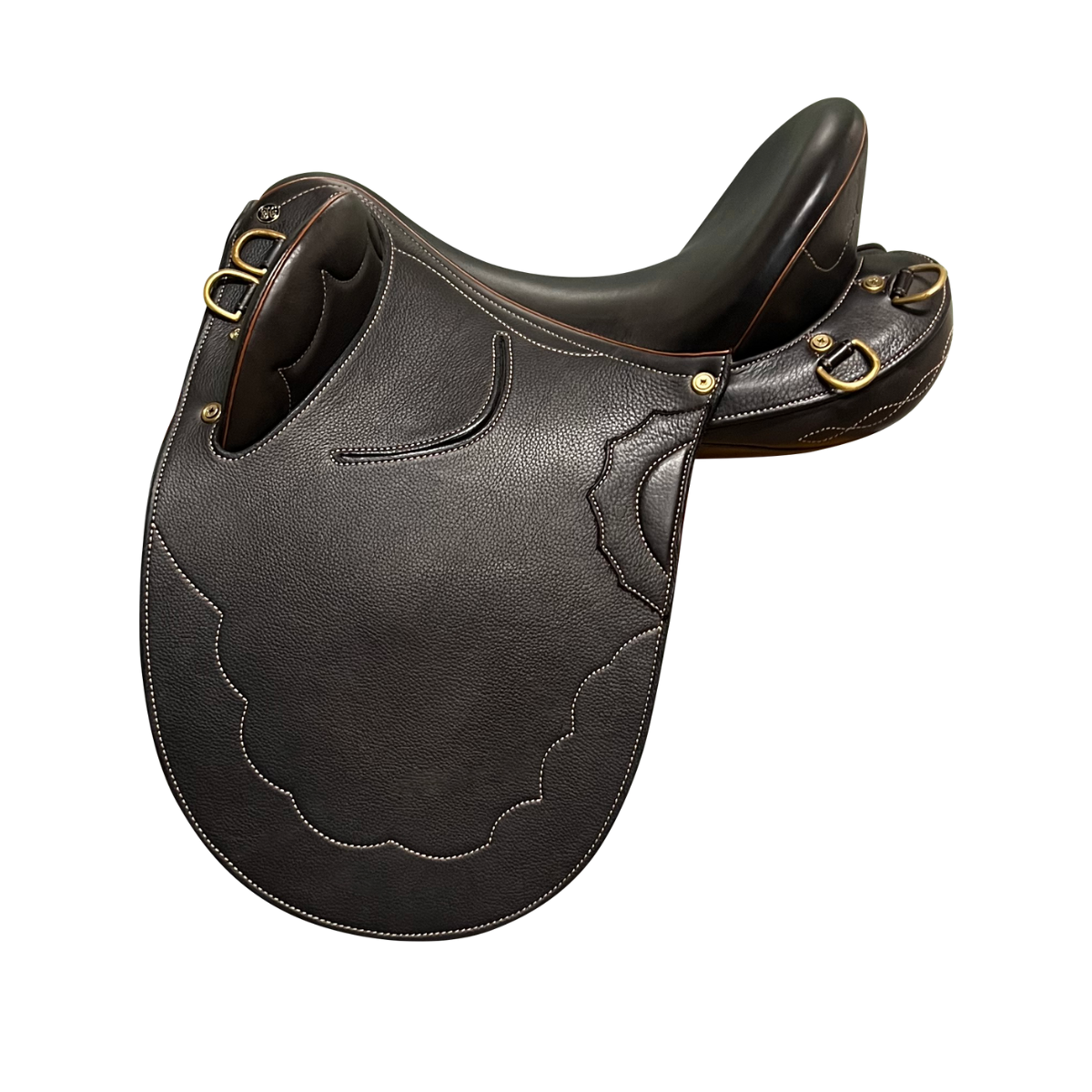
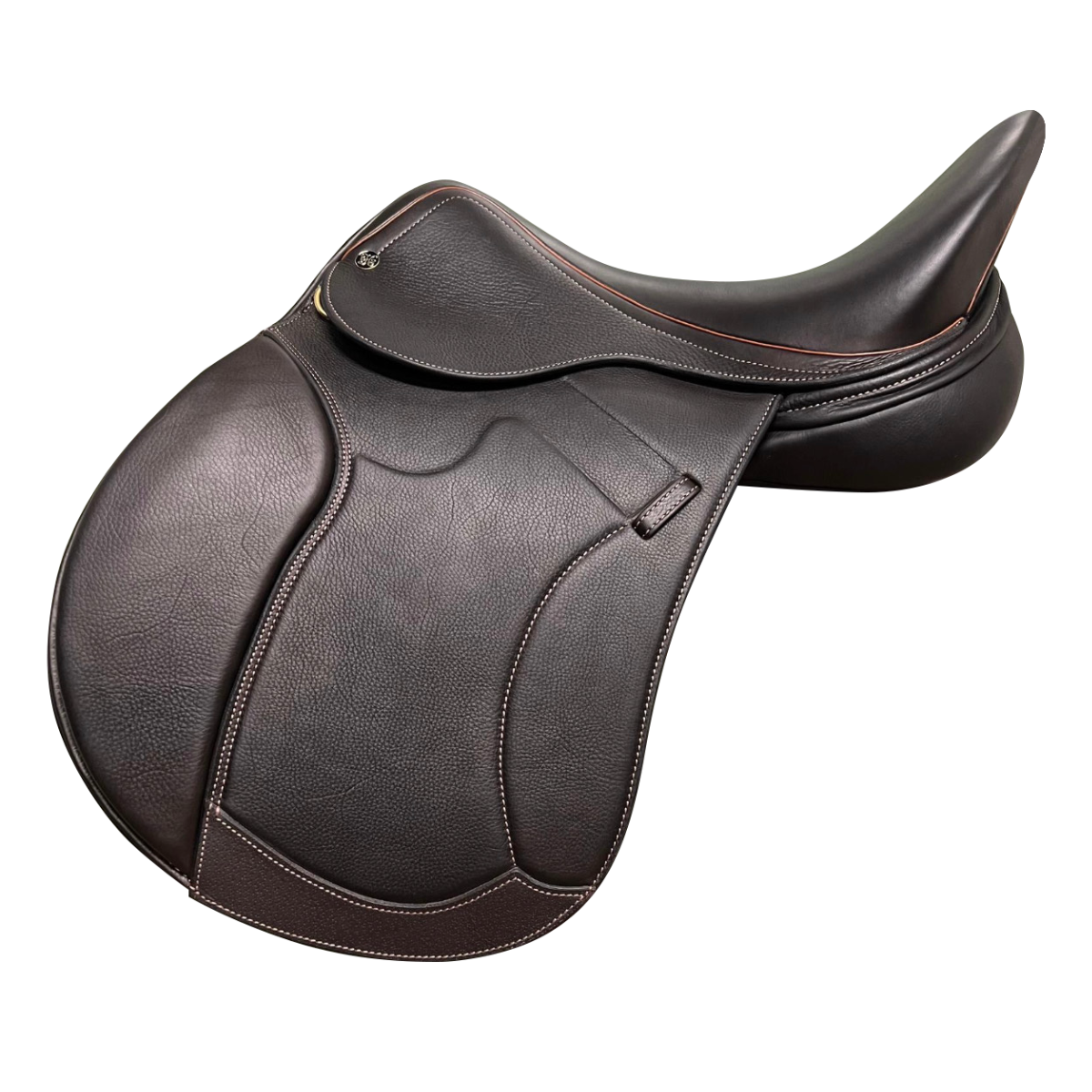
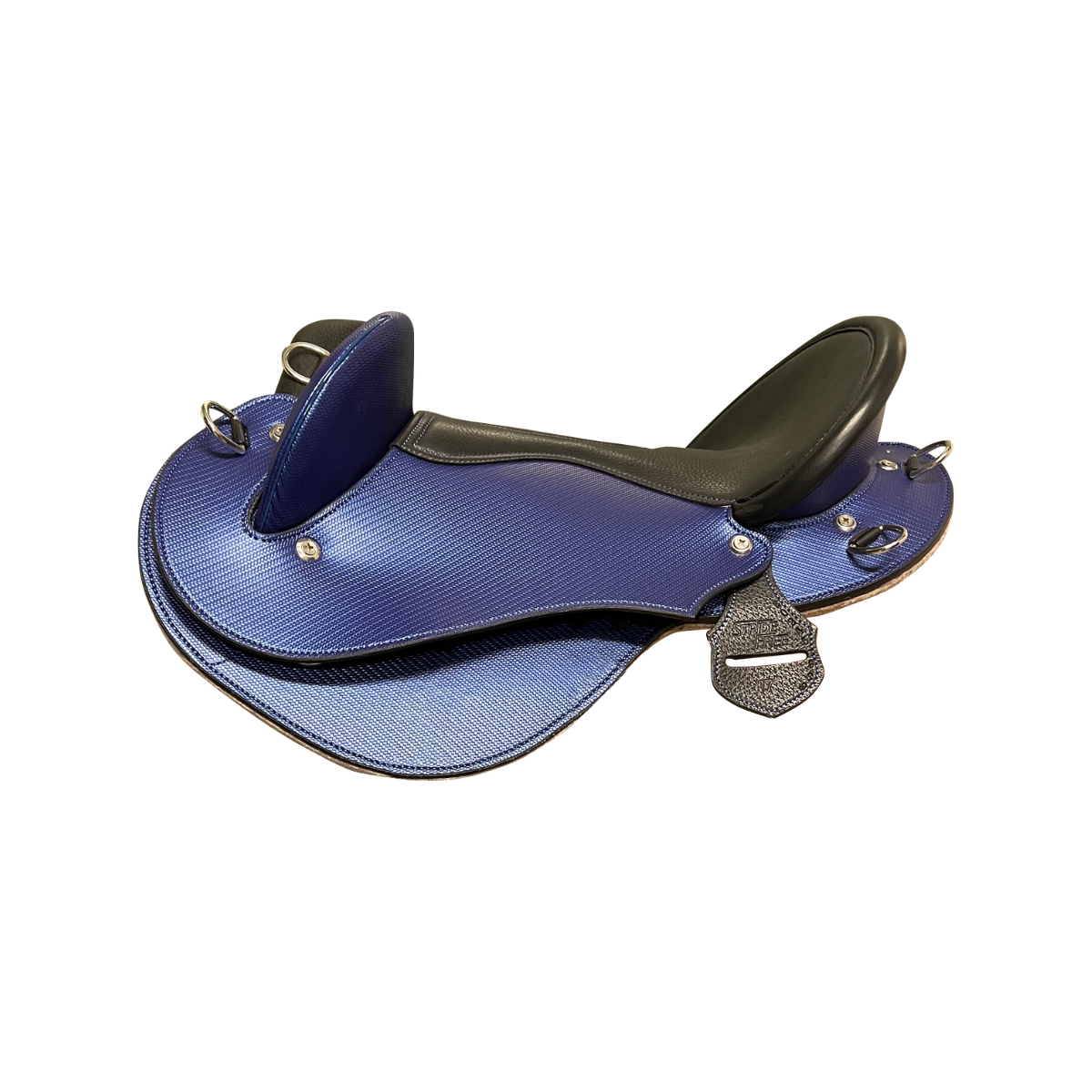
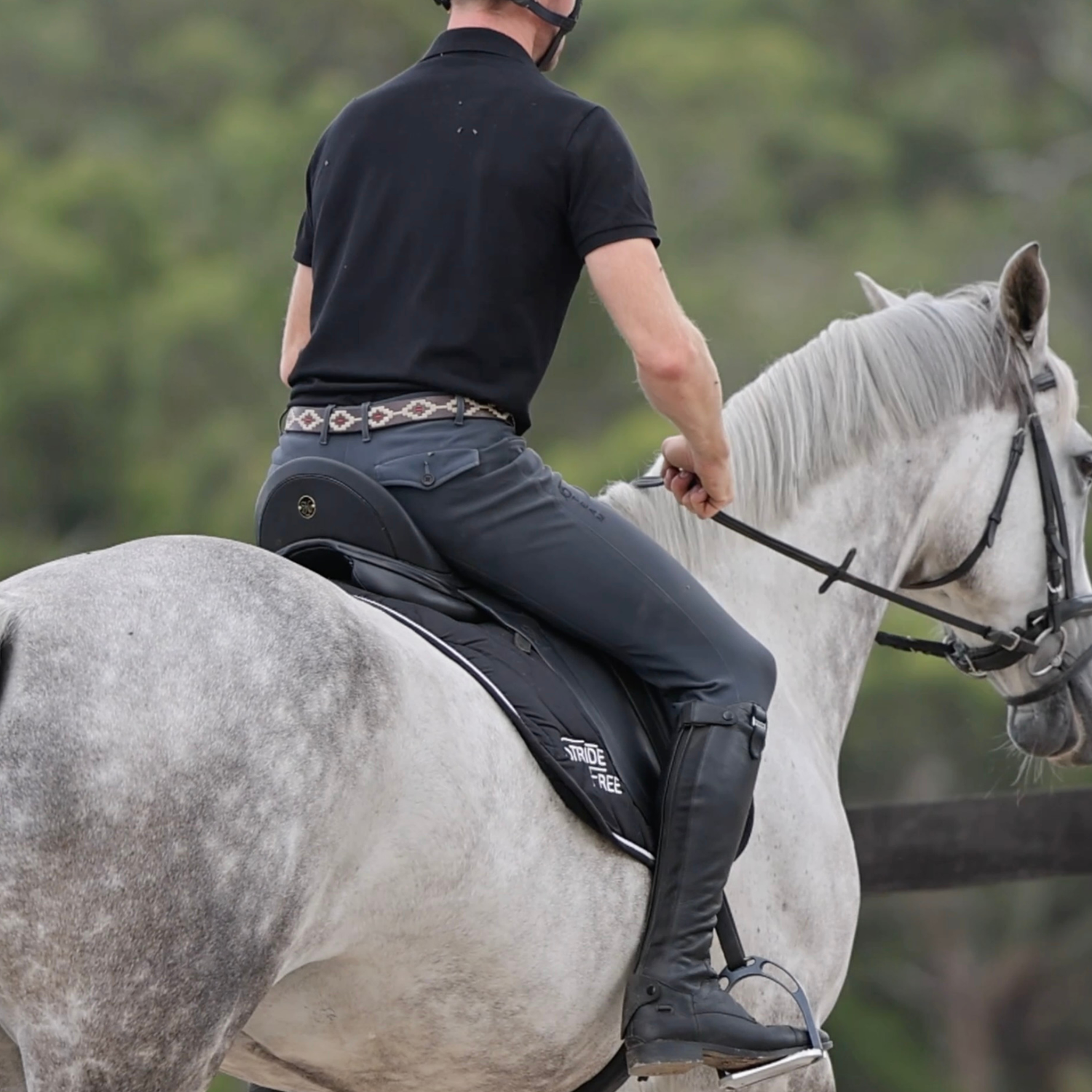
Our UK agent, KM Elite, enlisted Lucyanna Westaway from EquiLaterals to run a biomechanic case study on the horses gait and stride length when ridden in a StrideFree® saddle.
A summary of the results of the study are detailed below:
Executive Summary
The trial has shown that the change of saddle has demonstrated a significantly greater stride length in both walk and trot. The analysis indicates that the increase in stride length has come from opening up the movement of the shoulder and hips/stifle. There is also an indication of improved symmetry of movement although results for this were not as consistent as for the stride length.
EquiLateral Biomechanic Gait Assessment - Walk
Stride Characteristics
- Overall the horse showed a 20% increase in stride length at walk when ridden in a StrideFree® Saddle compared to when ridden in Other Saddle.
- The average degree of elevation stayed similar in both saddles during the first assessment.
- By the second assessment the horse had developed an average of 10% greater elevation in the StrideFree® Saddle compared to the first assessment in the StrideFree® Saddle.
- The speeds were consistent across all assessments.
Limb Angles
- In the Other Saddle the horse showed slightly reduced protraction and retraction along the right side in both the foreleg and hindleg in comparison to the left side. In the StrideFree® saddle the horse’s symmetry between the left and right side was more closely aligned. (1st Assessment)
- During the second assessment the horse was reluctant to walk and had a tendency to jog. The graphs show this inconsistency in the walk movement and so are not considered reliable for the purpose of comparison.
- The horse shows a more open angle (~4°) throughout the movement in both the left and right shoulder in the StrideFree® Saddle compared to the Other Saddle. (1st Assessment)
- The foreleg fetlock and coronet angles show a closer symmetry between the left side and the right side in the Stride Free saddle compared to in the Other Saddle. (1st Assessment)
- The hindleg angles are very similar in both saddles during the 1st Assessment.
EquiLateral Biomechanic Gait Assessment – Trot
Stride Characteristics
- Overall the horse showed a 24% increase in stride length at trot when ridden in a StrideFree® Saddle compared to when ridden in Other Saddle.
- The horse showed a reduction of elevation (approx. 8%) when ridden in the StrideFree® saddle compared to the Other Saddle during the first assessment.
- By the second assessment the horse had developed an average of 6% greater elevation in the StrideFree® Saddle compared to the StrideFree® Saddle during the first assessment.
- The speeds were consistent across all assessments
Limb Angles
- The horse shows ~3°greater foreleg retraction in both the left and the right side when ridden in the StrideFree® Saddle compared to in the Other Saddle. (1st Assessment)
- The protraction of the left side foreleg stayed about the same with the right side showing an increase of around 3° to show closer symmetry of movement. (1st Assessment)
- The left hindleg protraction increase by ~3° in the StrideFree® Saddle compared to the Other Saddle. (1st Assessment)
- The shoulders show a much smoother movement pattern in the StrideFree® saddle particularly the right shoulder which was a little inconsistent in its movement in the Other Saddle. The average left shoulder angle opened by ~4° throughout the movement
pattern. (1st Assessment)
- By the second assessment the protraction of the foreleg had reduced very slightly but with very good symmetry between the left and right side.
- The hindlegs showed much improved symmetry in the StrideFree® Saddle during the second assessment.
- The right shoulder has opened up slightly by the second assessment in the StrideFree® Saddle showing a greater average angle throughout the movement compared to when ridden in the other saddle and to both saddles in the First Assessment.
- The elbow shows a greater range of movement during the Second Assessment compared to the First Assessment in both saddles. This occurs again with the knee.
- The foreleg fetlock and coronet angles are more symmetrical in the StrideFree® Saddle during both Assessment compared when ridden in the Other Saddle.
- The hips and stifle show a greater degree of movement in the Second Assessment in both saddles.
- Again the hocks show a greater range of movement (~5°) during the Second Assessment in both saddles.
- The hindleg fetlock and coronet angles show more aligned symmetry in the First Assessment